Timber Orangeries
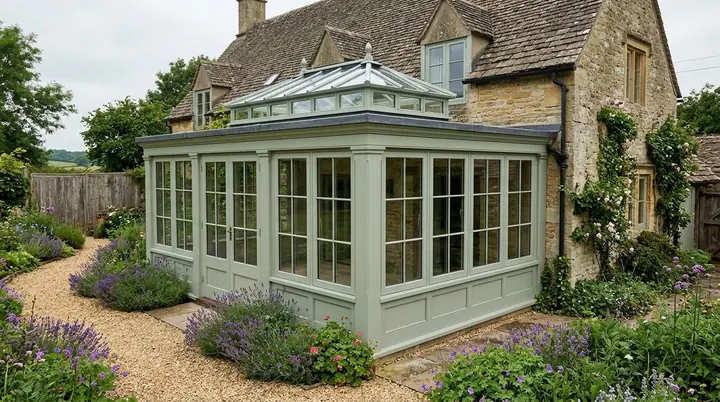
A timber orangery uses engineered hardwood or Accoya for its windows, doors, pilasters and roof lantern, usually finished in a factory-applied paint. Timber gives the slim mouldings and crisp shadow lines that period and character homes need, and it is the material most conservation officers prefer.
The joinery is made to your drawings, primed and sprayed before it leaves the workshop, then fitted to masonry we build on site. Modern coatings and engineered sections mean repainting is typically needed every eight to ten years, not every summer.
How much do timber orangeries cost?
Timber orangeries typically cost £42,000 to £90,000 before VAT. London prices run about 24 per cent higher and the South East about 13 per cent higher; Wales, the North East and Northern Ireland run 5 to 10 per cent lower. See all orangery prices or use the guide price tool.
What is included?
- Engineered hardwood or Accoya frames, factory primed and spray finished
- Moulded pilasters, entablature and cornice drawn to suit the house
- Timber roof lantern with aluminium external cappings to keep rain off the joints
- Double or triple glazed units with warm-edge spacers
- Glazing bars in a pattern that follows the existing windows
- Traditional ironmongery in brass, bronze, nickel or black
- Brick or stone base walls built to match the house
- Insulated roof deck finished in lead, zinc or a lead-effect membrane
- Paint colour matched to your existing windows or a heritage shade
What should you think about first?
- Accoya and engineered oak move less than softwood and hold paint longer
- South-facing joinery weathers faster and benefits from lighter colours
- Listed buildings and conservation areas often accept timber where they refuse uPVC
- Slim glazing bars need the right glass unit to stay in proportion
- Allow longer for manufacture than for aluminium or uPVC frames
How does the work run?
- SurveyA surveyor measures the house, checks drains and boundaries and notes how the room will be used.
- Design and priceWe draw the room and send a fixed, itemised quote with no provisional sums where we can avoid them.
- PermissionsPlanning checks, structural calculations and building control are submitted for you.
- On siteOne team builds the room, keeps the site tidy and hands over a finished space with its certificates.
Questions about timber orangeries
How long does a timber orangery last?
A well made timber orangery in engineered hardwood or Accoya should last 50 years or more. The paint finish needs a wash each year and a recoat roughly every eight to ten years, sooner on exposed south and west elevations.
Is a timber orangery more expensive?
Yes. Timber orangeries usually cost 30 to 50 per cent more than aluminium and around double a uPVC equivalent, because the joinery is made to order and takes longer to produce and finish.
Which timber is best for an orangery?
Accoya and engineered hardwoods such as sapele or oak are the usual choices. Accoya is the most stable and carries a long manufacturer warranty against rot, which makes it a good base for painted joinery.
Where do we offer timber orangeries?
- Aberdeen City
- Aberdeenshire
- Angus
- Argyll and Bute
- Bedfordshire
- Berkshire
- Blaenau Gwent
- Bridgend
- Bristol
- Buckinghamshire
- Caerphilly
- Cambridgeshire
- Cardiff
- Carmarthenshire
- Ceredigion
- Cheshire
- City of Edinburgh
- Clackmannanshire
- Conwy
- Cornwall
- County Antrim
- County Armagh
- County Down
- County Durham
- County Fermanagh
- County Londonderry
- County Tyrone
- Cumbria
- Denbighshire
- Derbyshire
- Devon
- Dorset
- Dumfries and Galloway
- Dundee City
- East Ayrshire
- East Dunbartonshire
- East Lothian
- East Renfrewshire
- East Riding of Yorkshire
- East Sussex
- Essex
- Falkirk
- Fife
- Flintshire
- Glasgow
- Gloucestershire
- Greater London
- Greater Manchester
- Gwynedd
- Hampshire
- Herefordshire
- Hertfordshire
- Highland
- Inverclyde
- Isle of Anglesey
- Isle of Wight
- Kent
- Lancashire
- Leicestershire
- Lincolnshire
- Merseyside
- Merthyr Tydfil
- Midlothian
- Monmouthshire
- Moray
- Neath Port Talbot
- Newport
- Norfolk
- North Ayrshire
- North Lanarkshire
- North Yorkshire
- Northamptonshire
- Northumberland
- Nottinghamshire
- Oxfordshire
- Pembrokeshire
- Perth and Kinross
- Powys
- Renfrewshire
- Rhondda Cynon Taf
- Rutland
- Scottish Borders
- Shropshire
- Somerset
- South Ayrshire
- South Lanarkshire
- South Yorkshire
- Staffordshire
- Stirling
- Suffolk
- Surrey
- Swansea
- Torfaen
- Tyne and Wear
- Vale of Glamorgan
- Warwickshire
- West Dunbartonshire
- West Lothian
- West Midlands
- West Sussex
- West Yorkshire
- Wiltshire
- Worcestershire
- Wrexham
Related orangery services
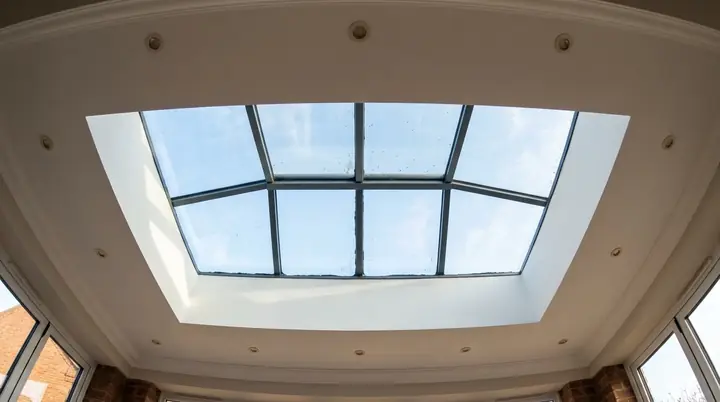
Orangery Roof Lanterns
New and replacement lanterns for orangery roofs.
£3,000 – £8,500Learn more →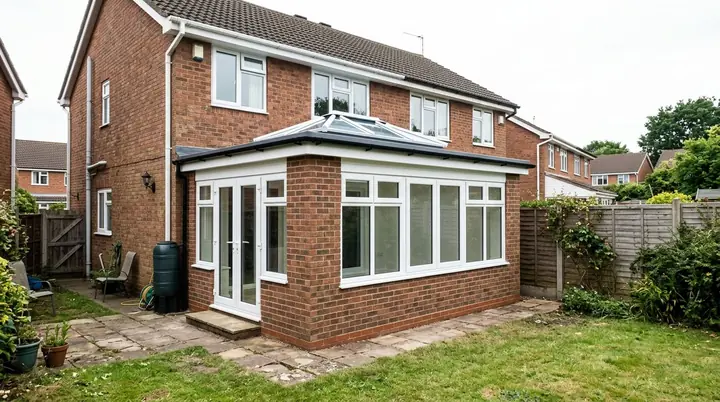
uPVC Orangeries
The lowest-cost route to a proper orangery.
£18,000 – £36,000Learn more →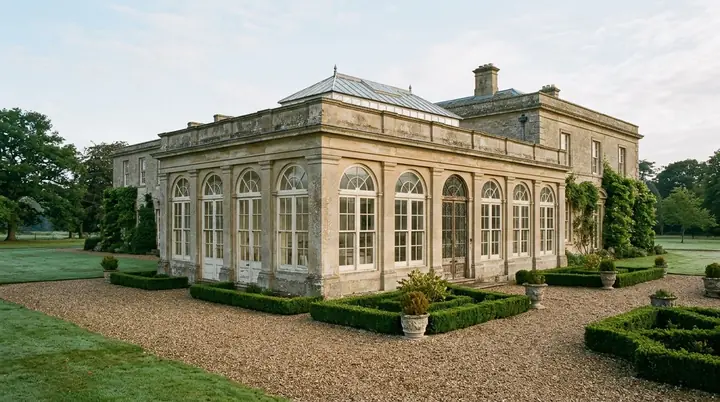
Period Property Orangeries
For listed buildings, conservation areas and older houses.
£55,000 – £120,000Learn more →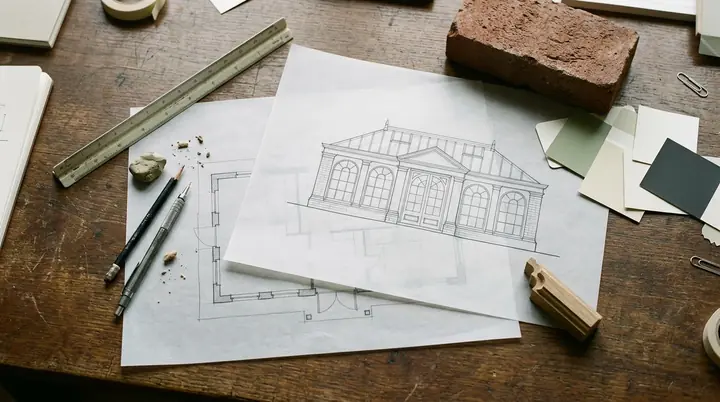
Orangery Design and Planning
Drawings, planning and Building Regulations handled.
£900 – £3,500Learn more →Ready to plan your orangery?
Book a free design visit or get a guide price in under a minute.
Get a guide price Call 0800 088 6248