uPVC vs aluminium vs timber orangeries
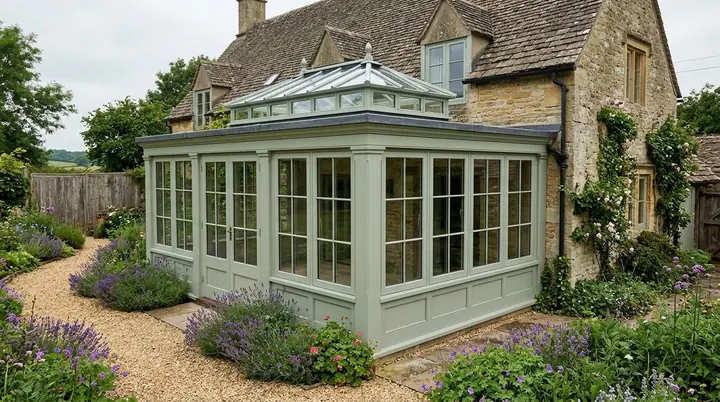
The frames are the most visible choice in an orangery and the one with the biggest effect on price. The foundations, piers and roof are built the same way whichever you choose.
Which is cheapest?
uPVC. Aluminium typically costs 25 to 40 per cent more for the same room, and painted hardwood around double the uPVC price.
Which lasts longest?
Aluminium and well maintained timber both last 40 years or more. uPVC frames typically last 25 to 35 years. In every case sealed glass units and hardware may be replaced along the way.
Which needs least maintenance?
uPVC and powder coated aluminium need only washing. Factory-finished timber needs washing each year and repainting every eight to ten years.
Which looks best?
It depends on the house. Timber suits period and character homes, aluminium suits contemporary designs and wide door openings, and foiled uPVC is a convincing lower-cost option on most post-war houses.
Which is most energy efficient?
All three meet current standards. The glass matters more than the frame: a low-emissivity, argon-filled unit with warm-edge spacers does most of the work.
Next: get a guide price, see orangery prices or browse orangery types.
Ready to plan your orangery?
Book a free design visit or get a guide price in under a minute.
Get a guide price Call 0800 088 6248